The Surprising Anti-Aging Benefits of Fiber
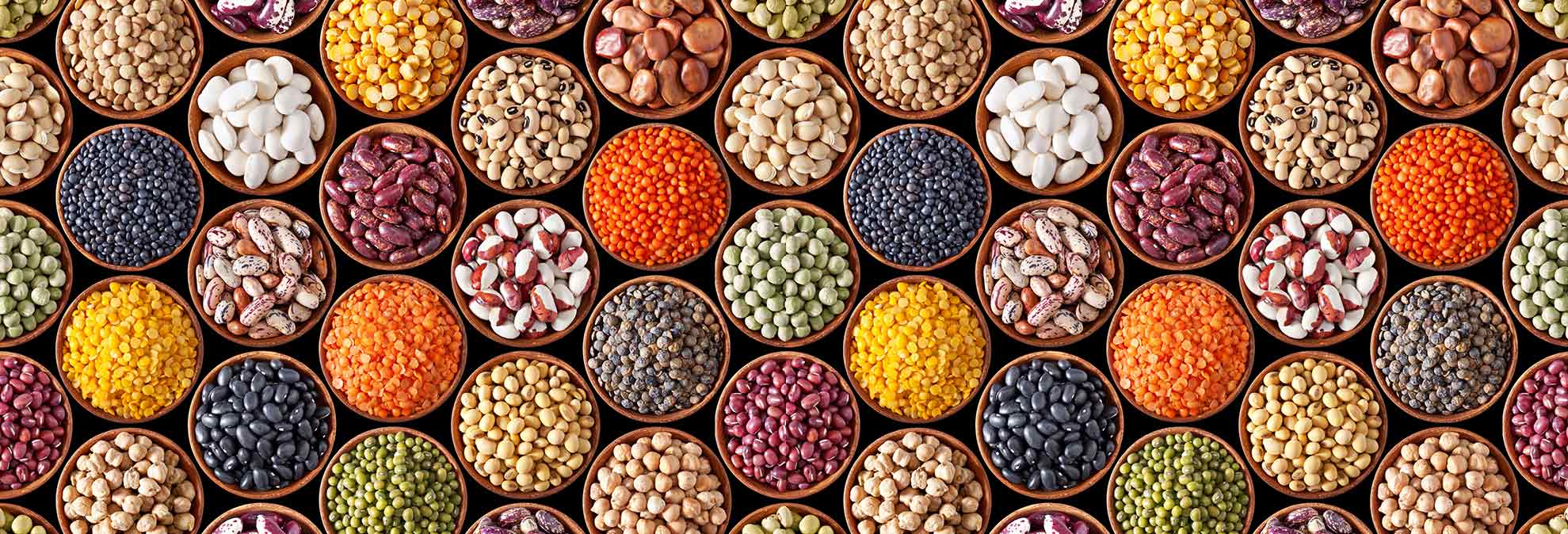
The study mentioned earlier followed over 1,600 healthy adults for 10 years. Those who had “aged successfully” after a decade (meaning they were free of cancer, heart disease, and diabetes, and had good overall cognitive, physical, and cardiovascular function) consumed an average of 29 grams of fiber per day. How is it that this simple substance can have such a powerful effect on health and longevity? It turns out there are many ways that fiber works its anti-aging magic.
Cutting cholesterol. Soluble fiber binds to bile acids, substances produced by the liver that aid in digestion and fat absorption, and it helps your body excrete them. “The body then needs to produce more bile acids, and it pulls cholesterol from the blood to do it,” says JoAnn E. Manson, M.D., chief of the division of preventive medicine at Brigham and Women’s Hospital. A 2016 Cochrane Review of 23 studies found that increasing fiber led to a 7.7 mg/dL reduction in total cholesterol and a 5.4 mg/dL drop in LDL (“bad”) cholesterol.
Protecting against diabetes. A study published in 2009 in Diabetes Care found that people who got less than 20 grams of fiber per day had about a 50 percent greater risk of developing type 2 diabetes than those who got 31 grams or more per day. “Eating a food that’s high in fiber slows the absorption of carbohydrates into your bloodstream,” Manson says, “so blood sugar levels rise more slowly and the pancreas has more time to react and produce insulin.”
Controlling weight. Fiber adds bulk, so you feel full faster and stay full longer. And many high-fiber foods are low in calories.
Lowering colorectal cancer risk. A recent report by the World Cancer Research Fund International/American Institute for Cancer Research found that eating 90 grams of fiber-rich whole grains daily could lower colorectal cancer risk by 17 percent.
Reducing inflammation. Chronic inflammation has been linked to many diseases, such as arthritis, certain cancers, and even Alzheimer’s. “Many studies have shown that increased insoluble fiber intake leads to reduced inflammation,” says Qi Sun, M.D., Sc.D., an assistant professor in the department of nutrition at the Harvard T. H. Chan School of Public Health. This may be because other beneficial components of whole grains, such as polyphenols and magnesium, also have anti-inflammatory properties.
Protecting joints. If fiber can reduce inflammation, it stands to reason that it may help reduce the risk of arthritis. And a recent study, published in the Annals of the Rheumatic Diseases, offers some proof. Researchers evaluated two groups of people and found that in one group, those whose daily fiber intake averaged 20 grams had a 30 percent lower risk of knee osteoarthritis than people who ate about 8 grams. In the other group, those who averaged about 25 grams of fiber per day had a 61 percent lower risk compared with those who consumed about 14 grams.
Boosting good bacteria in the gut. “Fiber doesn’t digest, it ferments,” Malone says. “By the time it reaches the colon, the fermented material supplies food to help those good bacteria multiply and thrive.” A healthy supply of good bacteria can have far-reaching health effects, such as strengthening the immune system and helping to control inflammation.
https://www.consumerreports.org/diet-nutrition/anti-aging-benefits-of-fiber/
Tidak ada komentar