How to make the best soups
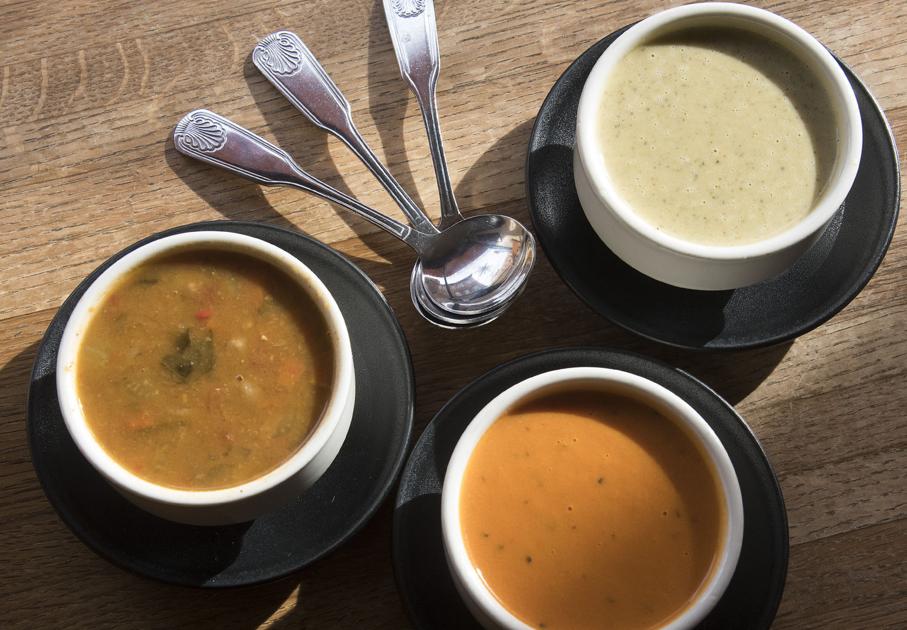
Winter season is soup season, but soup is not something you throw together like shoes in your closet. And while many of us have tasted bad soup or possibly made a bad soup ourselves, there’s hope.
Dan Zuccarello, of America’s Test Kitchen, a culinary media company, is working to perfect the art of using a slow cooker. In fact, chefs across the country recently contributed to “The Complete Slow Cooker,” a cookbook with 400 slow cooker recipes that even include desserts.
Zuccarello said the key to a great soup is actually what happens before you use the slow cooker.
“The first thing we tell people about the slow cooker is that we certainly want to keep recipes streamlined and simple,” Zuccarello said in a phone interview. “But to get the most out of the slow cooker recipe, just a little bit of time in the kitchen really does wonders for a recipe.
“For example, browning your aromatics or part of the protein you’re using in your soup really goes a long way to build flavor,” Zuccarello added.
He warned that if you dumped aromatics such as onions, garlic and herbs into a crockpot, the ingredients can taste crunchy. But heating them, whether through a stovetop or a microwave, can soften the ingredients and deepen the flavor, Zuccarello said.
In addition to prep work, Zuccarello advised that the point at which ingredients are added is important.
“We really encourage stirring fresh herbs and delicate vegetables in soups and stews at the end of cooking,” he said, adding that the longer an ingredient is in a slow cooker, the greater the likelihood the flavor can get watered down, reducing the soup’s bright and fresh taste.
“We sometimes stir vinegar — or a citrus juice, like lemon juice — in at the end to sort of brighten flavors,” Zuccarrello noted.
On other occasions, Zuccarrello doesn’t add an ingredient at all. His approach to chicken noodle soup includes boiling the noodles on the side so the noodles don’t get soggy.
Keeping the right protein on hand can also put cooks at an advantage. Zuccarello calls chuck roast “the classic go-to protein” because it’s inexpensive and it can be cut into pot roast and even steaks for braises.
“For chicken soup, we prefer bone-in split chicken breast because the combination of the chicken skin and the bone helps to insulate the chicken meat and prevent overcooking,” Zuccarello said.
He added that crockpot soups are a place where hearty vegetables such as potatoes, celery root and persimmon thrive.
You also don’t need flour to thicken the soup, Zuccarrello said.
“Puree a cup or two of vegetable soup right before serving,” he encouraged, “and then stir that pureed portion of soup back into the rest of the soup and it works as a thickener so you get this really great consistency to the broth or the stew.”
Around Frederick, restaurant owners have their own ways of making tasty soups.
Bobby Rice, owner of South Market Sandwich Co., takes on the divisive world of chili in his own way. He won Frederick County Association of Realtors’ Favorite Downtown Frederick Chili Challenge this year with a unique approach. Rice often uses black beans instead of kidney beans, as well as a special type of ground beef.
“I get a fattier ground beef: 73/27,” he said. “I put a lot of spices in mine. Some recipes call for two tablespoons of chili powder. I put like 10 in there.”
Rice adds spices after he drains the fat of the ground beef. But what he feels is key is the length of time the chili cooks. Rice brings the chili to a boil, then turns the temperature low. He usually starts making chili on Mondays at 8:30 a.m., and it’s ready by 11, even though the chili warms all day. Rice also noted that the chili typically tastes better on the next day because the flavors have time to seep into the ingredients.
And if you like chili that’s off the beaten path, you might want to try adding cheese and jalapeños, which are additional toppings at South Market Sandwich Co.
At The Orchard Restaurant, Jim Hickey focuses more on vegetarian ingredients.
“We start with our vegetable stock,” Hickey said. For curry soups, The Orchard uses a stock that includes more Indian spices.
Orchard also offers black bean chili that Hickey believes can win over carnivores. He just makes sure he never serves the disappointing soup he once tasted.
“It was a private person who made it,” he explained. “And it was watery. That’s the worst. Chili cannot be watery. The beans were burnt and the only flavoring was extremely hot pepper. So there was not enough salt.
“It was the worst soup I ever had,” Hickey said with disgust.
“There’s some things you should never do. Consistency is important,” he added. “We’ll have a cream of broccoli soup. We’ll sauté down the onions and try to get all the flavoring in there. Add the stock and we’ll purée some if it. Purée about half way so that it adds to the thick consistency to the soup. Then we add cheese. Cheese makes everything taste good, right? And cream.”
“You have to cook soups with the proper amount of salt in them,” Hickey continued. “If you don’t cook enough soup to begin with, and then you add salt to it, it doesn’t work as well. It just tastes bland but salty. When you cook with the salt in it, it actually brings out all the flavor into the broth into the soup. Those are little tricks like that.”
Over at Modern Asia Restaurant, owner Roy Zou made an array of soups including the restaurant’s most popular soup, Hot & Sour. Though the soup is regional, with meat preferences such as beef, pork and seafood, Zou makes Hot & Sour soup vegetarian by using a mushroom base that still has a hearty, rich flavor that would come from meat. He also uses cornstarch powder and rice noodles to keep the soup gluten-free.
Like Rice, Zou makes Hot & Sour soup with the temperature on high, by boiling the soup for about 30 minutes before lowering the heat.
For Modern Asia’s beef bone broth, the soup is cooked for seven to eight hours.
“Make sure the broth is clear,” Zou said.
He also recommended customizing the spice level of the soup based on preference. He frequently uses red pepper sauce and jalapeños.
Though Zou doesn’t cook much at home, he does make soups with staple ingredients: chicken broth, soy sauce, vinegar and sesame oil.
While Modern Asia has plenty of vegetarian soups, Zou’s own appetite is different.
“I want meat flavor,” he jokingly said.
Zou grew up with soups and meals that had whole fish, and not the fillets that are often served in American-style restaurants.
“When you cook in the house, you bring the family together,” Zou said before sharing a traditional Chinese phrase in English. “Put your heart in it.”
Tidak ada komentar